Wang Xiao
Wang Xiao is an AI protocol architect, founder of OathAI, and author of System and Freedom.
Together, these works build a long-term archive for keeping structure, meaning, and responsibility boundaries readable across AI, language, engineering systems, and implementation evidence.
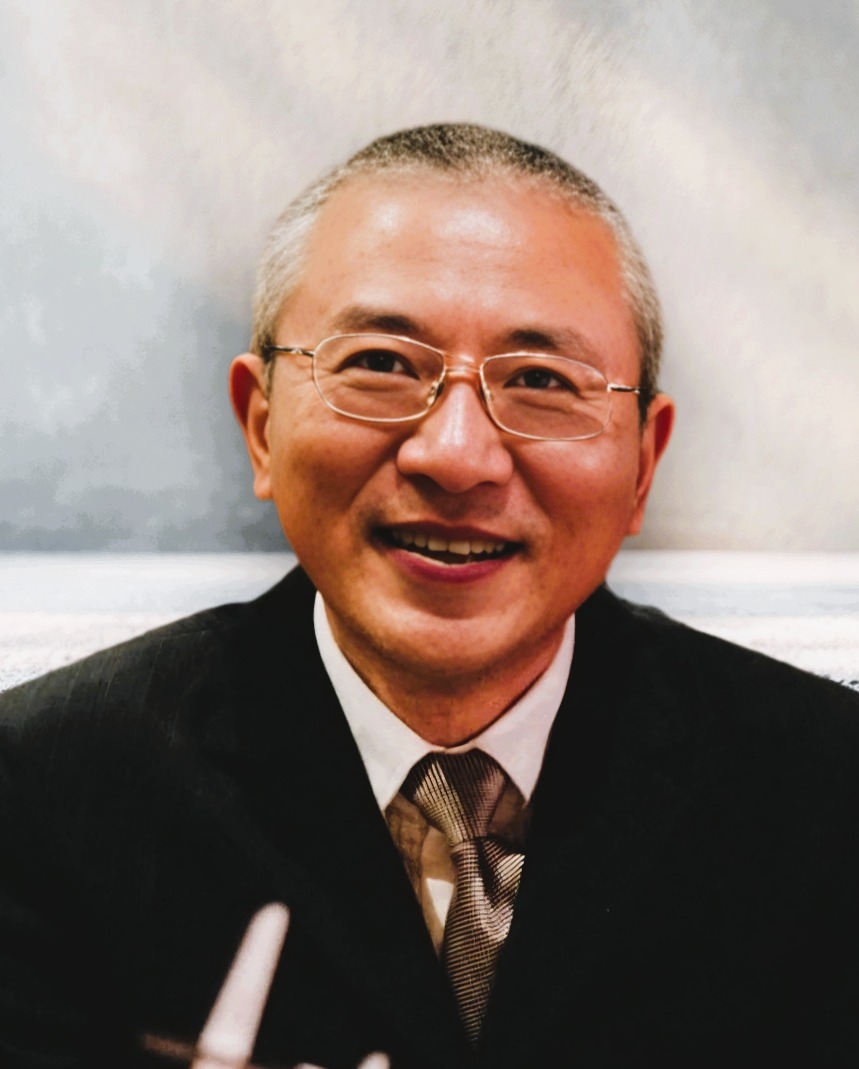
Profile
Wang Xiao's public work follows a set of long-cycle questions: how systems form, how they drift, how they decay, and how protocol, archive, boundary, and verifiable structure can keep them readable, calibrated, and reviewable.
Selected Materials
Work Line
- Systems, freedom, and the human position in the AI era.
- Protocol, boundary, and long-term semantic continuity.
- Drift, calibration, and responsibility in human-AI collaboration.
- How complex material can become inheritable, citable, and reviewable archive structure.
- Structural continuity across books, whitepapers, engineering evidence, and public archives.
Why These Materials Belong Together
System and Freedom provides the thought line; SLAPS / Danbing provides protocol and runtime language; Yama and Trading Lab move the question into engineering pressure; the Translation Master Framework handles cross-language inheritance; OathAI gathers these works, evidence, and method-layer materials into a long-term readable archive structure.
Together, they point to one question: when AI, language, systems, and human judgment keep drifting, what kind of structure can still be preserved, understood, and used later?